
Perimenopause
Why Do I Leak When I Sneeze but Also Rush to the Bathroom
Leaking when you sneeze and rushing to the bathroom can have different causes. Learn what to track and when to discuss bladder symptoms with a provider.
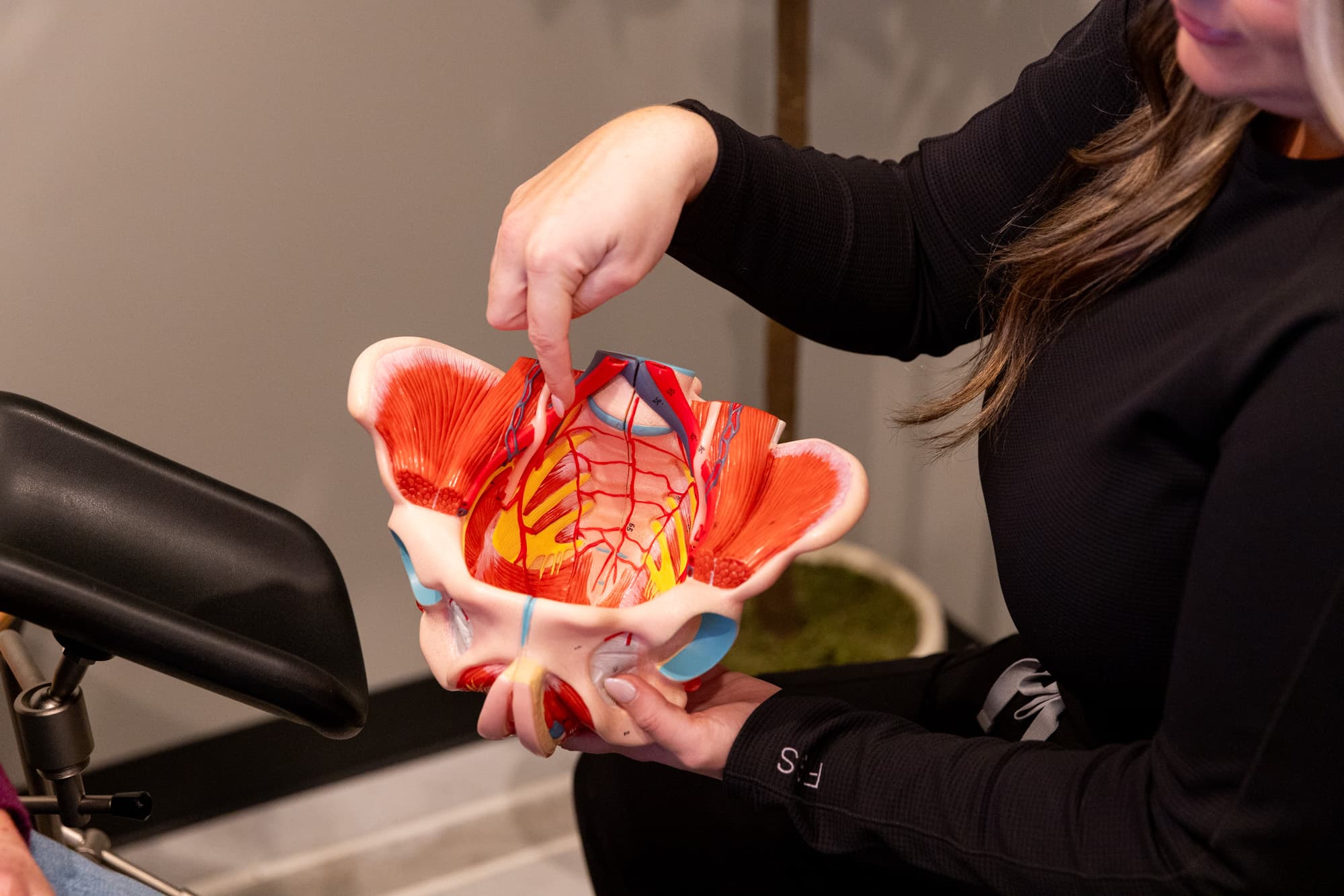
A sneeze catches you off guard, and you leak a little urine. Later, you pull into the driveway and suddenly need the bathroom so badly that you barely make it inside. Both experiences involve bladder control, but they can happen for different reasons. Leaking with coughing, sneezing, or exercise often fits stress urinary incontinence. Leaking after a sudden, hard-to-delay urge can fit urgency urinary incontinence. When both patterns occur, a clinician may call it mixed urinary incontinence.
Knowing that distinction can make your first conversation about bladder leaks much more useful. Instead of assuming that every leak needs the same treatment, you can describe what happens before it. The SONARA Studio’s women’s wellness care includes pelvic health concerns, and understanding your symptoms is an important place to begin.
What the timing of a leak can tell you
Stress incontinence gets its name from physical pressure on the bladder, not from feeling emotionally stressed. You might notice it when you laugh, lift a child, jog, or sneeze. The National Institute of Diabetes and Digestive and Kidney Diseases explains the different types of urinary incontinence, including stress, urgency, and mixed incontinence. These terms describe patterns that help guide an evaluation. They are not a diagnosis you need to make on your own.
Urgency feels different because the need to urinate arrives suddenly and can be difficult to postpone. Some women experience urgency without leaking, while others lose urine before reaching the bathroom. If you experience both activity-related leaks and sudden urges, mention both. A visit focused only on the leak during your workout could miss the problem that bothers you most during your commute.
Consider how you would describe a typical day. “I leak when I cough, but I also rush to the bathroom after lunch” gives a provider more information than “my bladder is weak.” You do not have to know the medical vocabulary. The ordinary details are often the most helpful part of the conversation.
What to write down before an appointment
A short bladder diary can help you remember what is happening. Record when you drink, when you use the bathroom, when leaks occur, and what you were doing at the time. Include whether you felt an urge before the leak and whether the problem interrupted sleep. The NIDDK describes bladder diaries as part of evaluating bladder control problems, alongside medical history, an examination, and tests when needed.
You can use your phone or a piece of paper. The goal is an honest picture of your usual routine, so there is no need to create a “good” day for the appointment. Also write down the effect on your life. Avoiding exercise, changing clothes at work, or planning errands around restroom access deserves a place in the discussion, even if the amount of urine seems small.
Small leaks can still change your routine
You do not have to soak through your clothing for leakage to matter. Perhaps you have stopped joining an exercise class, started wearing a pad every day, or begun checking for a bathroom before accepting an invitation. Those adjustments can become so familiar that you forget to mention them. Tell your provider what you have changed to manage the problem, including activities you would like to return to.

It also helps to separate how often a symptom happens from how much it bothers you. A leak once a week during your favorite activity may be more disruptive than several small leaks at home. There is no minimum amount of embarrassment or inconvenience you must experience before seeking help. Your priorities help shape what a useful improvement would look like.
Give your provider the history behind the symptoms
Think back to when you first noticed the change. Did leakage begin after childbirth, appear gradually, or start quite suddenly? Have you had pelvic surgery, started a medication, or noticed other bladder symptoms? Bring these details even if you are unsure whether they are connected. A clinician can decide which parts of your history need closer attention.
Avoid changing several habits at once just to see what happens before the visit. If you have already tried exercises, changed your drinks, or bought a product for leakage, explain what you tried and whether it helped. An honest account of an unsuccessful attempt is useful information. You do not need to present yourself as someone who has already done everything correctly.
Before leaving, ask how you will judge whether the plan is working and when it should be reviewed. You might agree to track leaks during exercise, urgent trips to the bathroom, or how often you need to change protection. If both stress and urgency symptoms are present, ask how each will be addressed. That gives you something concrete to discuss at follow-up instead of trying to decide whether your bladder feels generally “better.”
If it feels awkward to talk about leakage, you can hand the provider your notes or read from your phone. Mention whether you want to discuss the issue privately. There is no need to soften the description with “it is probably nothing” when the symptoms are affecting your choices.
Why treatment depends on the cause
Bladder leakage does not automatically mean you need surgery, and it does not automatically mean you need a strengthening device. Depending on the findings, care may include supervised pelvic floor exercises, bladder training, changes to drinking habits, medication, a support device, or a procedure. The NIDDK’s overview of urinary incontinence treatments explains why the approach depends on the type of problem.
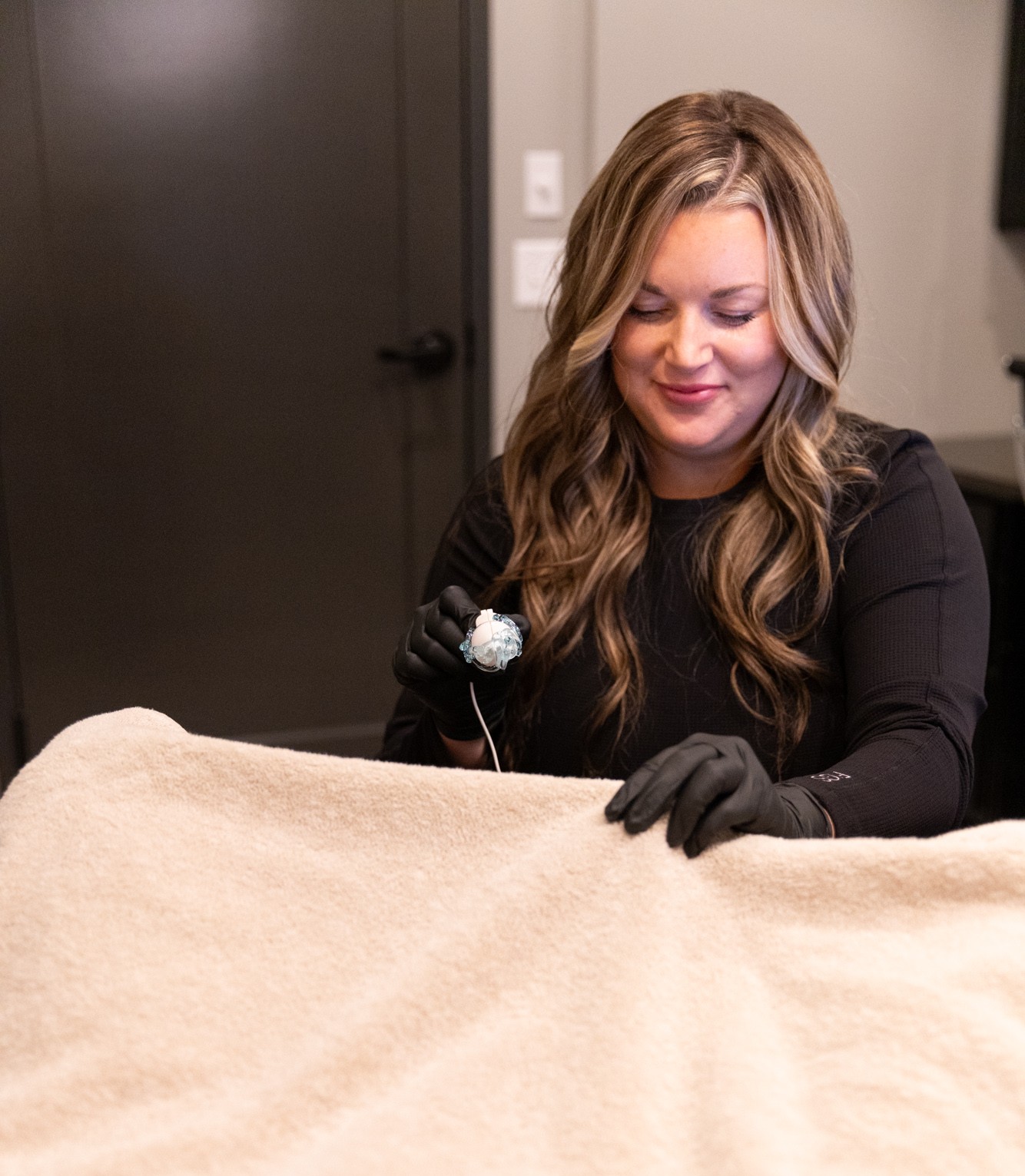
The SONARA Studio’s Flower Facelift program offers consultations about pelvic floor and vaginal wellness services. If you are considering treatment, ask which symptom the proposed option addresses, what improvement is realistic, and whether you also need care from an OB/GYN, pelvic floor physical therapist, or urogynecologist. Having several options is useful only when you understand how each one fits your situation.
When to seek medical care sooner
New leakage accompanied by burning, blood in the urine, or pelvic pain needs medical attention rather than a routine wellness appointment. Seek urgent care if you cannot urinate, or if urinary symptoms occur with fever and significant back or side pain. These concerns can require a different evaluation from longstanding leakage with exercise.
For ongoing symptoms, you can contact your nearest SONARA Studio and explain what you want to discuss. “I leak when I sneeze, and sometimes I cannot hold a sudden urge” is enough to start. You do not need to wait until you are using more pads or giving up more activities before asking for help.