
Perimenopause
Why Are Kegels Not Helping My Bladder Leaks
Kegels not helping your bladder leaks? Learn why technique, muscle relaxation, and the cause of your symptoms matter before adding more exercises.
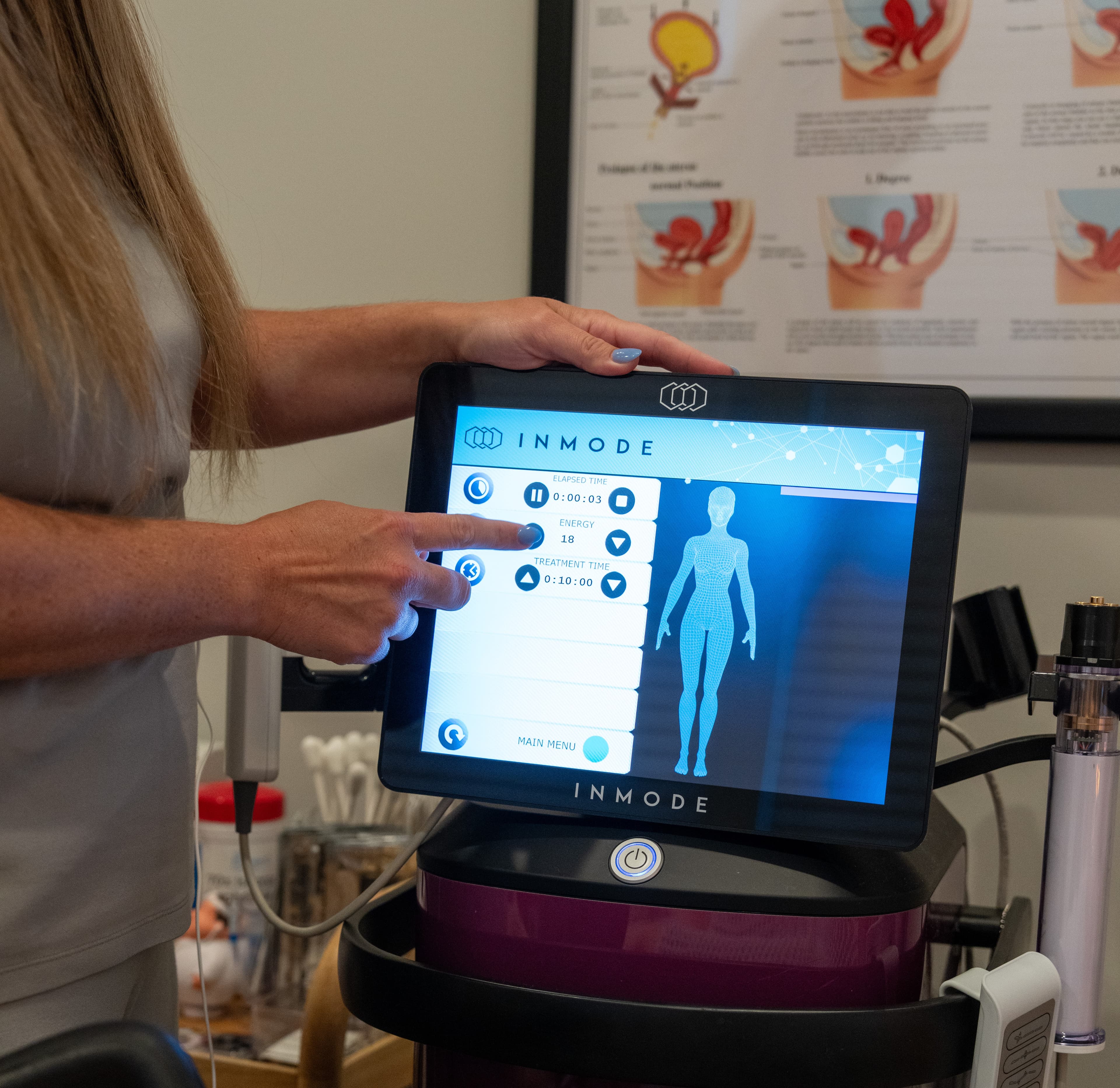
You have been doing the exercises while brushing your teeth, sitting at your desk, or waiting for the coffee to brew. You remember to squeeze, you try to stay consistent, and you still leak. When Kegels are not helping, doing more is not always the answer. The exercise may need adjustment, your muscles may need help relaxing, or the leakage may involve something that strengthening alone cannot address.
That does not mean you have failed at pelvic floor care. It means the next useful step is to check whether the exercise matches the problem. At The SONARA Studio, pelvic floor and vaginal wellness consultations provide a place to discuss your symptoms and the services available. A medical or physical therapy evaluation may also be needed to understand what your muscles are doing.
A squeeze is only part of the movement
The pelvic floor muscles help support the organs in your pelvis and contribute to bladder and bowel control. During a Kegel, those muscles contract and then release. According to the NIDDK’s guidance on Kegel exercises, finding the correct muscles and using the right technique matters. Tightening your buttocks or holding your breath does not tell you whether your pelvic floor is working effectively.
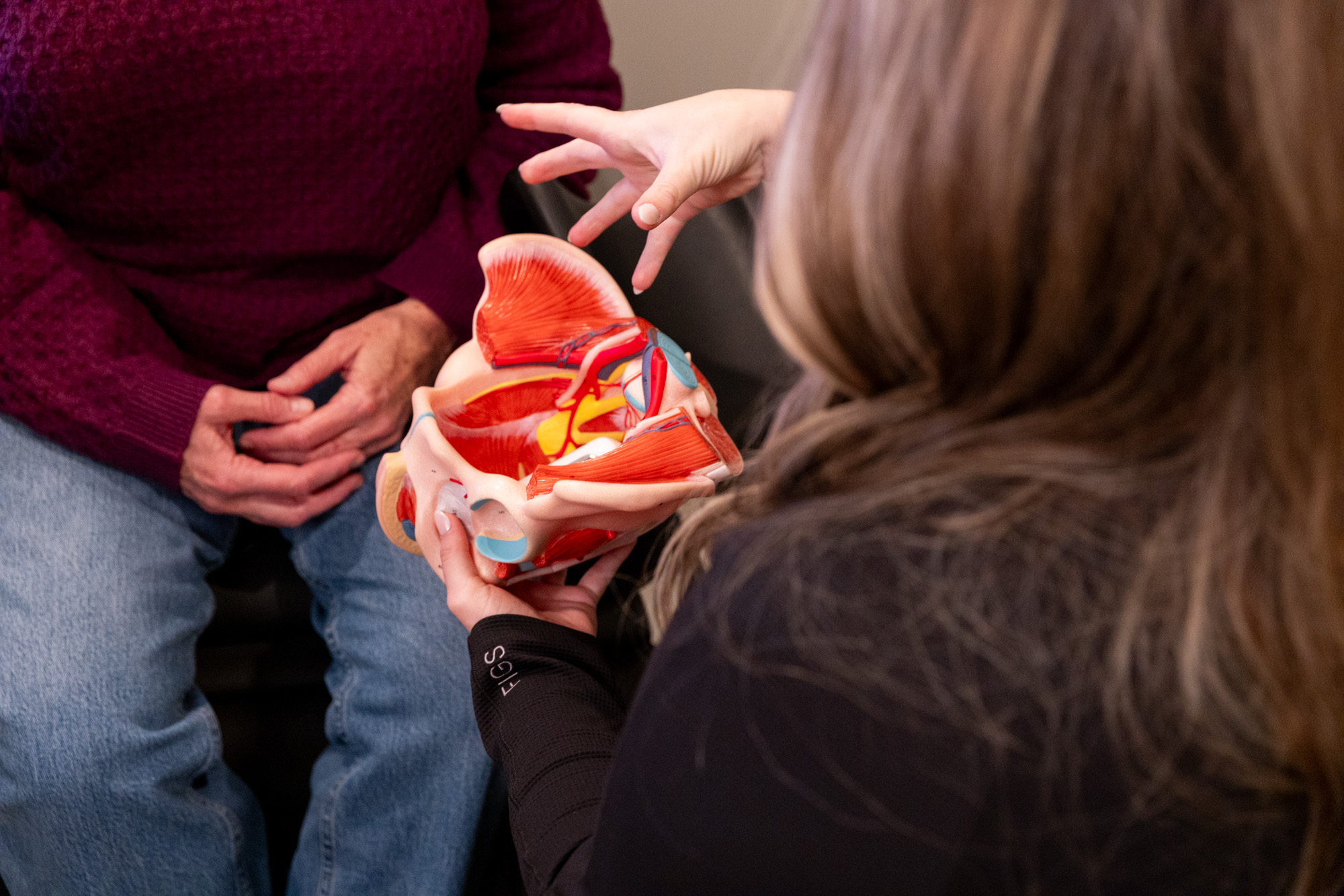
This is one reason an online exercise description can leave you uncertain. You cannot easily watch the movement the way you can watch a squat. If you are unsure what you are feeling, ask a qualified provider or pelvic floor physical therapist to assess your technique. A useful appointment should leave you with clearer instructions than simply “squeeze harder.”
More repetitions can make the problem worse
It is understandable to add extra exercises when you want faster progress. However, more effort is not always helpful for these muscles. MedlinePlus cautions that overly forceful or incorrect Kegels can make vaginal muscles too tight, and overdoing the exercises can contribute to difficulty with urination or bowel movements. Pain with exercise or intimacy is a reason to bring the routine up with a clinician.
Tell your provider whether you can feel the muscles release after each contraction. Also mention pelvic aching, trouble starting your urine stream, or a feeling that you have to strain. These details do not prove that your muscles are overactive, but they help explain why adding more strengthening without an assessment may be the wrong direction. Stop exercises that hurt rather than trying to push through them.
Progress needs a plan and a way to measure it
Appropriate pelvic floor training usually takes consistent practice over weeks, and meaningful improvement can take longer. Ask when you should expect a check-in and which changes would count as progress. For one person, that might mean fewer leaks on a walk. For another, it might mean getting through a coughing spell without changing clothes. Your goals should reflect the part of the problem that affects your day.
If you have already followed a routine for a while, bring the instructions with you. Explain how often you practice, whether you feel discomfort, and whether anything has improved. That is more useful than starting another routine from scratch without discussing the first one. Your clinician can decide whether to adjust the exercises, reassess the diagnosis, or recommend another form of care.
Bring the routine you are actually doing
An exercise plan can look different on paper than it does during a busy day. You may be holding each squeeze longer than instructed, skipping the release, or practicing only when you remember. Describe your actual routine without apologizing. A provider cannot help you adjust an exercise they believe you are doing differently. If your instructions came from a video or an app, bring the name or show the demonstration.
Be specific about what “not helping” means. Are you leaking just as often, leaking during a different activity, or noticing new discomfort? Have you stopped an activity because you are worried about an accident? These are different problems, and your answer helps keep the appointment focused. You can also describe what has improved, even if the overall result is disappointing.
Ask for instructions you can use at home
If exercises remain part of your care, ask your provider to explain the contraction, the release, and the amount of practice intended for you. Repeat the instructions back in your own words. This is particularly helpful when you have collected conflicting advice from friends, social media, and previous appointments. You should know which routine you are following and when to contact someone about discomfort or uncertainty.
Ask how the exercise connects to your everyday goal. For example, you may want to return to a particular fitness class or feel comfortable picking up your child. Naming that goal allows the provider to discuss the activities that matter to you. A generic promise of a “stronger pelvic floor” is less useful than understanding how your progress will be assessed.
It is also reasonable to ask about the time and cost involved in the next step. How many visits are expected, who will reassess your symptoms, and what to expect during future visits? If the plan is difficult to fit around work or childcare, say so before committing. A workable plan needs clear instructions and a realistic place in your life, along with a way to change course if the expected improvement does not occur.
You can also ask who to contact if you are unsure about the technique once you get home. A brief clarification may prevent weeks of practicing something incorrectly. If you cannot tell whether you are contracting or releasing the intended muscles, say that plainly at the next visit.
What comes after exercises that have not helped
There are several possible next steps, and they serve different purposes. The National Institute of Child Health and Human Development describes pelvic floor treatment options that include physical therapy, biofeedback, bladder training, medication, pessaries, and surgery in selected cases. Biofeedback can help someone learn which muscles are contracting. Other treatments address concerns that exercise alone does not resolve.
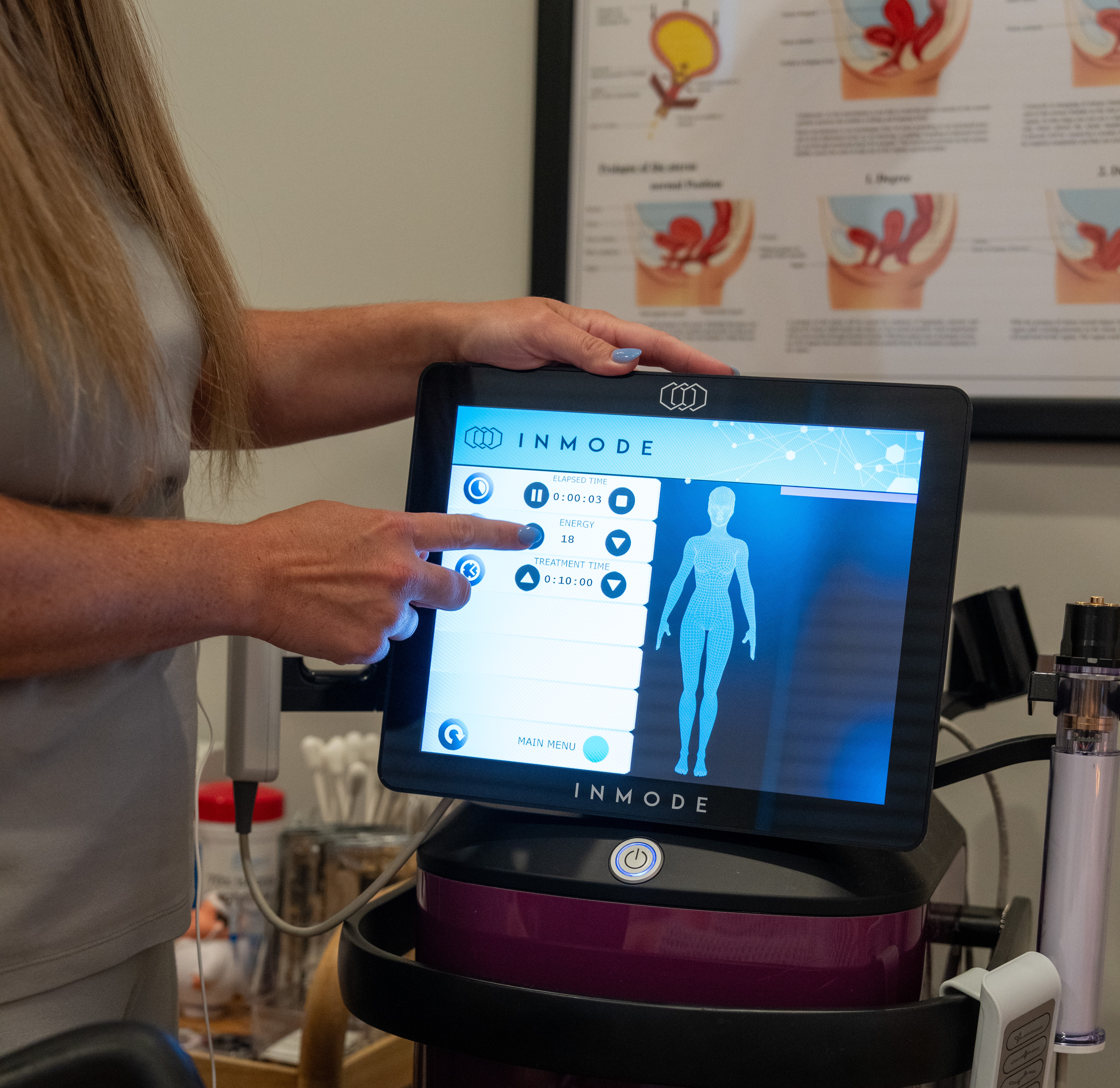
If an in-office muscle stimulation treatment is proposed, ask why it fits your examination findings and how its role differs from physical therapy. A treatment should not be chosen simply because you are frustrated with Kegels. You should also understand the risks, expected benefits, follow-up plan, and what happens if symptoms continue.
The SONARA Studio’s broader women’s wellness services include pelvic health discussions beyond pregnancy and menopause. You can find your local studio and start with the question you already have: “I have been doing Kegels, but I am still leaking. What should we check before I try something else?”