
Ultrasound
What Can an Early Pregnancy Ultrasound Tell Me
Learn what an early pregnancy ultrasound can tell you, how elective and medical scans differ, and which symptoms need prompt pregnancy care.
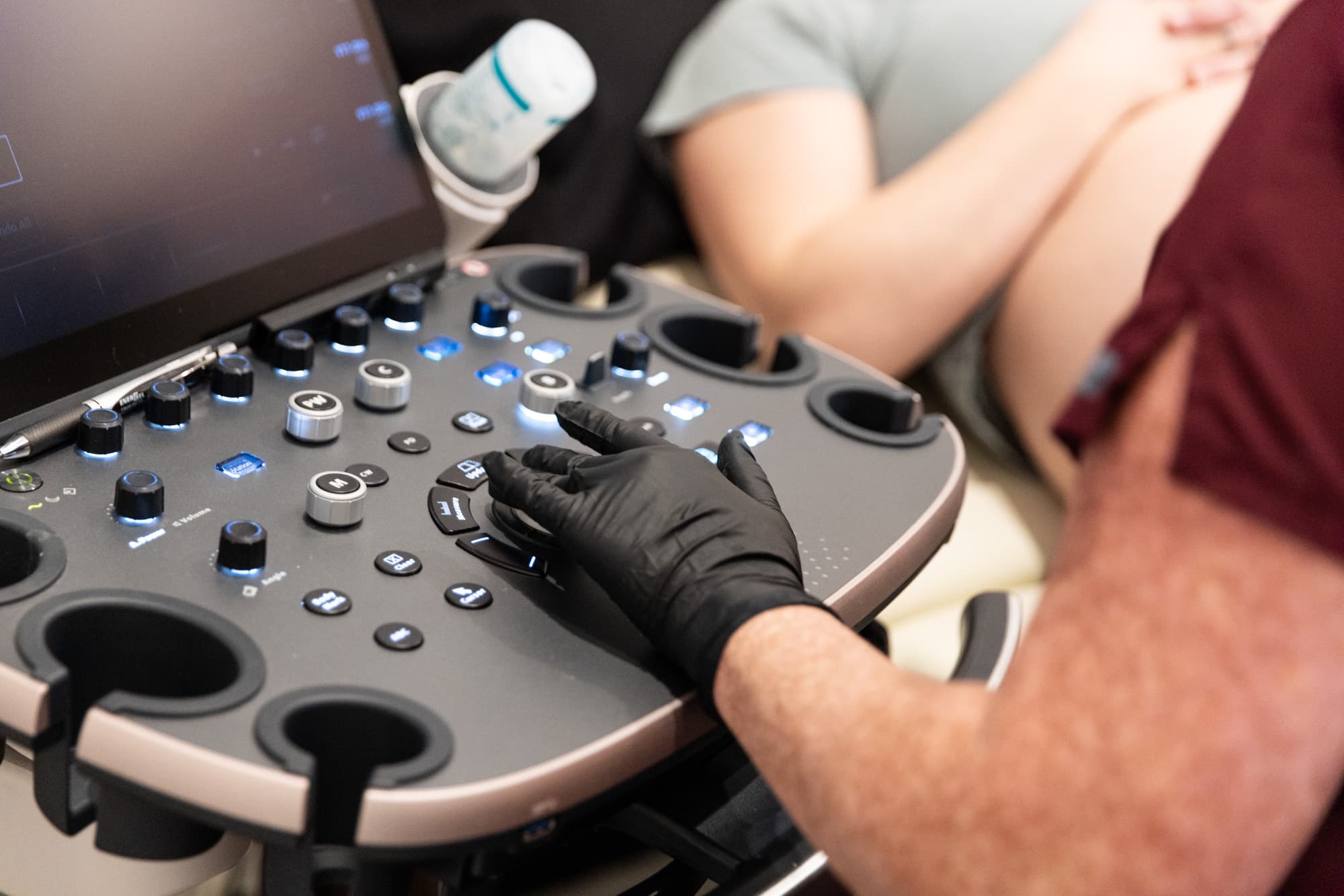
After a positive pregnancy test, it is natural to want a closer look at what is happening. An early pregnancy ultrasound can provide important information when performed as a medical examination, but what you can see depends on timing, the type of scan, and the individual pregnancy. An elective ultrasound visit has a different purpose and cannot replace a diagnostic evaluation or confirm that everything is developing normally.
The first question is therefore what you need from the appointment. Are you looking for help with pain or bleeding, a medical assessment requested by your provider, or information about an elective visit? The SONARA Studio’s motherhood page introduces its pregnancy services, while its ultrasound FAQ explains that the studio’s elective scans do not diagnose medical concerns or confirm developmental milestones.
Why the kind of ultrasound appointment matters
A diagnostic ultrasound is part of medical care. Depending on the reason for the examination, it may help a qualified clinician evaluate the pregnancy’s location, estimate gestational age, or assess other findings. Radiology Info’s explanation of obstetric ultrasound, produced by radiology professional organizations, describes the medical uses and limits of this examination. The findings need interpretation in the context of your history and any symptoms.
An elective visit should not be used to decide whether bleeding is harmless, whether a pregnancy is viable, or whether medical follow-up can be skipped. A picture that feels reassuring does not answer every clinical question. If your provider has ordered a scan, ask where that examination should be performed and how the results will reach the person managing your pregnancy.
Why an early scan may leave questions unanswered
Very early imaging can be limited, and the scanning approach matters. A scan through the abdomen and an internal, or transvaginal, scan do not provide identical views. MedlinePlus explains how transvaginal ultrasound uses a probe placed inside the vagina to examine pelvic structures. Your medical provider can recommend the appropriate examination for your situation.

Ask about the type of scan before booking, especially if you are very early in pregnancy. If the images are unclear or an expected finding is not seen, the next step belongs with your medical team. They may recommend follow-up imaging or other evaluation. Avoid deciding what the result means by comparing a screenshot with someone else’s image online. The pictures rarely include enough context to make that comparison useful.
Does more imaging always provide more reassurance?
It can be tempting to think that another scan will settle every worry. However, additional imaging is not automatically medically useful. An ultrasound performed solely for nonmedical keepsake purposes can give a mom that peace of mind she craves. Nonmedical ultrasounds are fine to receive often because they don't use ionizing radiation, but that doesn't mean exposure should be unlimited or restricted.
Discuss an elective scan with your prenatal provider, including its purpose and limitations. If anxiety is driving a wish for frequent scans, mention that too. You can ask your care team for a clear plan explaining whom to call, which symptoms need attention, and when the next medical assessment is scheduled. Those answers can be useful between appointments, when there is no ultrasound screen in front of you.
What to ask before you schedule an early scan
Tell the office how far along you believe you are, how you arrived at that estimate, and whether your prenatal provider has requested imaging. Do not assume every appointment listed as an “early ultrasound” includes the same service. Ask whether the visit is diagnostic or elective, what type of scanning is offered, and who is responsible for discussing any medical questions afterward. A clear answer helps you avoid booking a visit that cannot meet your needs.
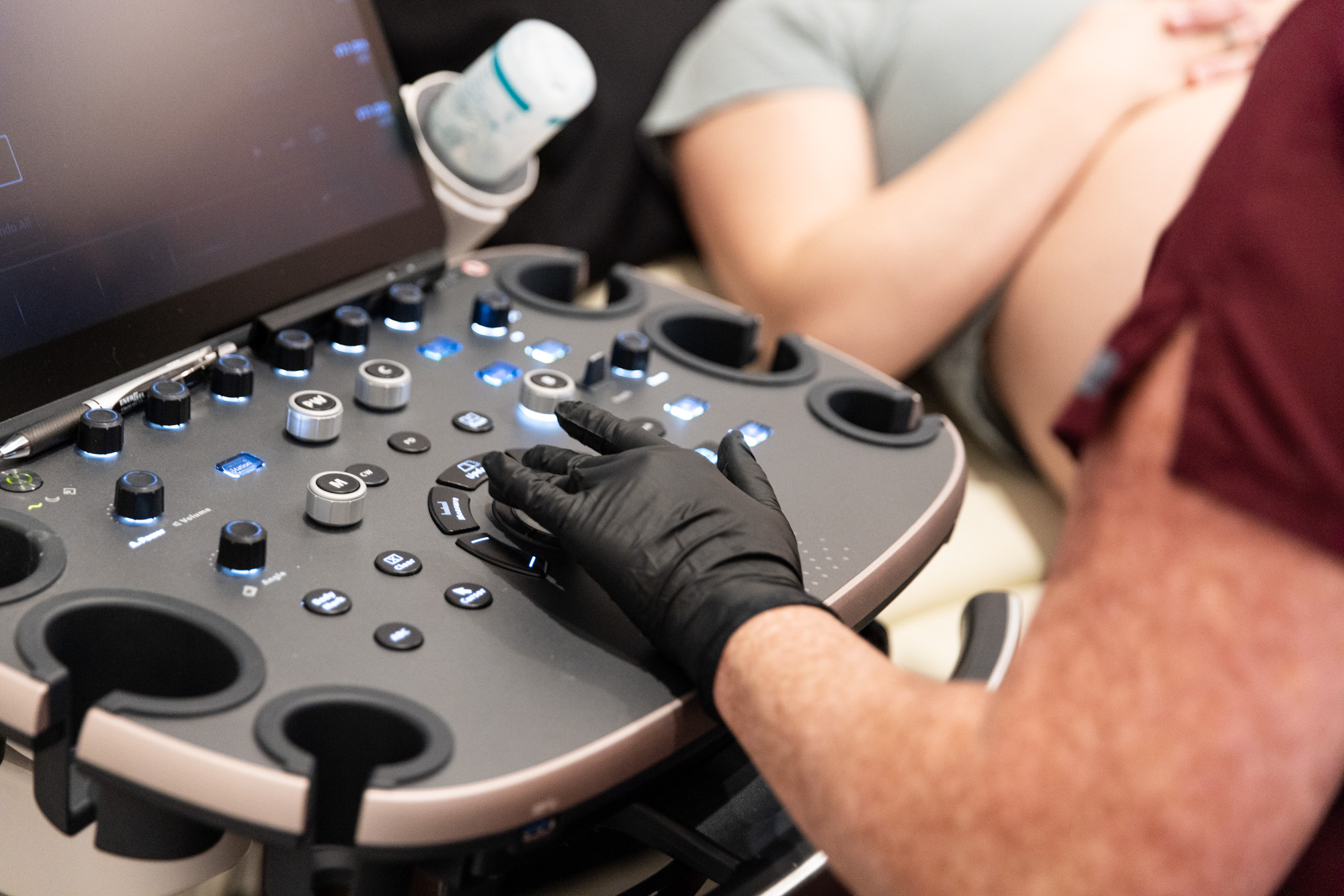
Preparation instructions also need to come from the office performing your examination. Ask whether you should arrive with a full bladder, what paperwork to bring, and whether there are limits on who may accompany you. If you have had previous imaging, ask whether the team needs the report. These practical details are worth checking before you arrange childcare, take time off work, or travel to an appointment.
Keep the images and the medical answers in perspective
It is understandable to attach a lot of meaning to the first image you receive. You might want to share it immediately or compare it with a friend's scan from a similar point in pregnancy. Remember that the picture is only one part of an examination. The written report and your clinician's explanation help connect medical findings to your situation.
If your medical team recommends a repeat examination, ask what question they are trying to answer and when you can expect the results. Also ask whom to call if symptoms develop while you wait. You do not have to interpret uncertain wording on your own or search through other people's experiences to decide what should happen next.
For a studio visit, you can review The SONARA Studio's locations and contact the team you plan to see. Confirm the appointment's current requirements directly, including how it fits alongside prenatal care. Whether you are considering Sioux City, Sioux Falls, or Panama City, your medical provider should remain the point of contact for pregnancy concerns. Knowing the purpose of each appointment lets you prepare for it with a clearer understanding of what it can offer.
You may also want to ask about the practical arrangements for receiving images and any paperwork after your appointment. If you plan to bring family members, explain that when you book so everyone understands what the visit includes. Keep questions about the pregnancy’s health with the clinician responsible for your medical care, even when a studio visit is an emotional or memorable experience. A souvenir image and a medical report serve different purposes, and having one does not remove the need for the other when your provider recommends an examination.
Symptoms that need medical care instead of a studio booking
Contact your pregnancy care team promptly about pain or bleeding. Severe or one-sided abdominal pain, shoulder-tip pain, dizziness, fainting, or heavy bleeding can require urgent evaluation. The Mayo Clinic describes warning signs and emergency symptoms of ectopic pregnancy. Seek emergency care for severe symptoms rather than waiting for an elective appointment.
If you have no urgent concern and want to ask about a studio visit, first confirm the current appointment requirements with your chosen location. The Patient Hub explains preparation details and directs you to location-specific booking. Ask what the visit includes, what it cannot determine, and what the team does if a concern arises. Understanding those limits helps you choose an appointment for the right reason while keeping your prenatal care on track.