
Postpartum
Why Vaginal Dryness Can Happen Before Menopause
Learn why vaginal dryness happens before menopause, including breastfeeding, postpartum hormones, and birth control, plus ways to find relief and support.

Vaginal dryness is often associated with menopause, but it can also happen after childbirth, during breastfeeding, or in connection with certain medications. Being younger doesn't rule it out, and experiencing dryness doesn't automatically mean you are approaching menopause. Understanding what is happening to your body is an important first step toward finding relief.
At The Sonography Studio, you can discuss vaginal dryness and uncomfortable intimacy with our providers. Whether you prefer a product-based approach or want to ask about Flower Facelift™, the conversation starts with understanding where the discomfort occurs and what may be causing it.
Can You Have Vaginal Dryness Without Being in Menopause?
Yes. Estrogen helps maintain healthy vaginal tissue and natural moisture, but estrogen levels can fall for reasons other than menopause. When that happens, vaginal tissue can become drier, thinner, and more sensitive. Some of the causes can be related to childbirth and breastfeeding.
Your symptoms deserve attention regardless of your age. You do not have to wait until menopause to ask why intercourse hurts or why everyday activities feel irritating. Describing what has changed is enough to begin a conversation.
Why Can Dryness Happen After Childbirth and During Breastfeeding?
Lower estrogen after childbirth and during breastfeeding can affect vaginal lubrication. The U.S. Office on Women’s Health recognizes dryness as a change some women experience while nursing. This can happen even when you want intimacy, so don't assume physical discomfort means a lack of interest in your partner. You might explain it this way: “I want to be close to my partner, but penetration feels dry and uncomfortable.”
What Else Can Contribute to Dryness or Discomfort?
Certain antidepressants and allergy medications can contribute to dryness. Scented soaps, detergents, lotions, and douches may also irritate sensitive tissue. Tell your provider about medication changes and new products, especially when symptoms began around the same time. Do not stop prescribed medication without discussing an alternative with the prescribing clinician.

Dryness is not the only explanation for painful intercourse. Healing childbirth injuries, infections, and pelvic floor muscle tightening can also cause discomfort. ACOG’s guidance on pain during sex explains why identifying the cause matters before choosing treatment.
Is the Dryness External or Internal?
The vulva is the external genital area, including the labia and tissue around the vaginal opening. The vagina is the internal canal. Dryness can affect the external area, the internal tissue, or both. This distinction matters because a product intended for vulvar skin is not automatically appropriate for use inside the vagina.
Try to describe where you notice discomfort. Is the skin irritated when it touches your underwear, or does the dryness feel internal during penetration? These observations help guide the discussion, although symptoms alone cannot confirm the cause.
Which INA Products Can Help With External Dryness?
For patients who prefer a product-based routine for external dryness, our providers may recommend INA Hydrating Intimate Serum in the morning and INA Nourishing Oil Elixir at night. The serum is designed to moisturize vulvar skin, while the oil helps condition and soften that external skin. Follow the product directions and your provider’s instructions for application.
Both products are for external use only. Apply them to clean, dry vulvar skin, NOT inside the vagina. This routine is intended for external skin care and should not be described as treating dryness within the vaginal canal.
Stop using a product that causes irritation and discuss another option with your provider. Oil-based products should also be kept away from latex condoms because oils can weaken latex.
What About Dryness Inside the Vagina?
Internal dryness needs an assessment of the vaginal tissue and its underlying cause. Applying an external serum or oil does not address every internal concern, but internal dryness does not automatically require a procedure. Vaginal moisturizers formulated for internal use and intimacy lubricants may help. Prescription treatment may also be considered when appropriate, with breastfeeding status included in that decision.
At your appointment, explain whether external products have helped the skin but left internal discomfort unchanged. That distinction can help our providers discuss the next step rather than simply recommending more of the same product.
How Does FormaV Fit Into Flower Facelift™ and the care of Your Vagina?
FormaV is one of the treatments our providers can discuss as part of our Flower Facelift™ pelvic and vaginal wellness program. If you're interested in options beyond daily topical products, a consultation lets you ask about this tissue-directed approach. FormaV uses controlled radiofrequency energy to heat tissue rather than functioning as a moisturizer and promotes healing.
What If Your Concerns Have Been Dismissed Before?
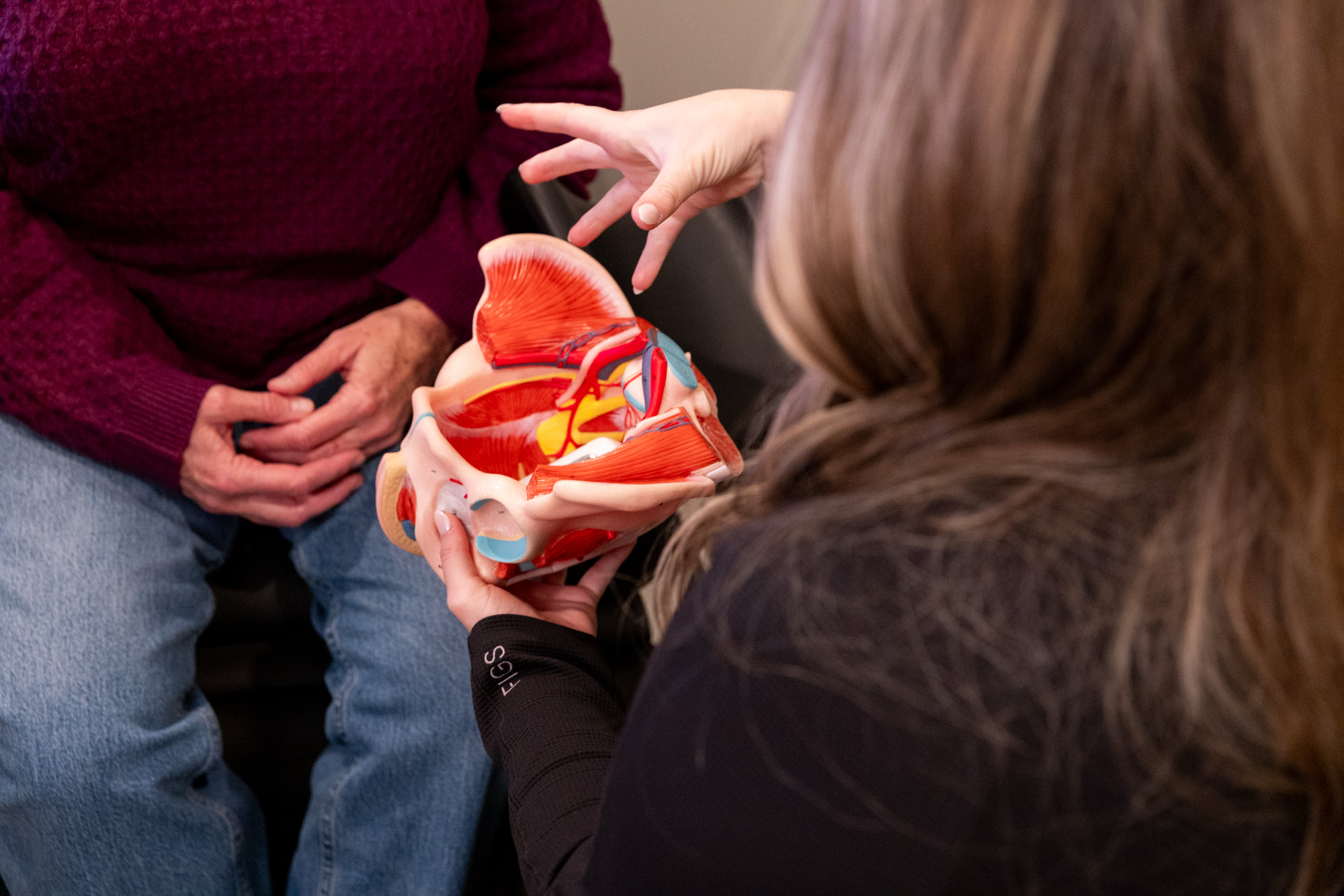
Some patients come to The Sonography Studio after feeling unheard during earlier appointments. Being told that “dryness is common” doesn't answer what to do when it affects your comfort or relationship. You deserve an explanation and an opportunity to discuss options.
Our providers welcome questions about products, Flower Facelift™, and what further evaluation may be needed. You do not have to arrive knowing which treatment you want. Saying, “I have been uncomfortable since having my baby, and I need help understanding my options,” is enough to begin the journey to wellness.
When Should You Seek Medical Attention?
Persistent dryness, painful intercourse, unusual discharge, or bleeding deserves medical evaluation rather than repeated self-treatment. During postpartum recovery, a fever of 100.4°F or higher, severe abdominal pain, or heavy bleeding requires immediate medical care. Do not wait for a routine wellness appointment when these warning signs occur.
For nonurgent concerns, contact The Sonography Studio to discuss a consultation. Let us know whether the discomfort feels external, internal, or both, and whether you are breastfeeding. We can start with your questions and discuss a next step that fits your needs.