
Postpartum
Postpartum Vaginal Dryness Relief: What Helps Day to Day?
Find everyday relief for vaginal dryness while breastfeeding. Learn about moisturizers, lubricants, external skin care, and intimacy without pressure.
When you are caring for a new baby, it's easy to put your own discomfort off. But vaginal dryness deserves attention whether it affects intimacy, makes your skin feel irritated, or leaves you uncomfortable during an ordinary day. You do not have to wait until you are ready for sex to ask for help.
Postpartum vaginal dryness relief may involve a moisturizer for ongoing dryness, lubricant during intimacy, and gentle external skin care. These options serve different purposes. Lower estrogen after childbirth and during breastfeeding can contribute to dryness, but choosing an appropriate approach starts with understanding your symptoms.
Today, we focus on everyday habits and product choices that may help you feel more comfortable while you get the support you need.
What Is the Difference Between a Lubricant and a Vaginal Moisturizer?
A lubricant reduces friction during sexual activity. A vaginal moisturizer is intended to help with dryness between sexual encounters. The American College of Obstetricians and Gynecologists explains these different uses, including the distinction between moisturizers made for internal vaginal use and those intended for external skin.
For intimacy, a water-soluble lubricant can be a useful option. Choose one labeled for vaginal use and check its compatibility with condoms. Oils can weaken latex condoms, so an external skin oil should not be treated as an interchangeable substitute for a condom-compatible lubricant.
If dryness bothers you outside sexual activity, ask your provider whether an internal vaginal moisturizer would be appropriate and what your options are. Follow the specific product directions rather than assuming every moisturizer has the same application schedule. During early postpartum healing, check with your clinician before inserting a product or applicator, and follow your recovery instructions.
Where Do External Products Fit Into a Comfort Routine?
The vulva is the external genital area. The vagina is the internal canal. This distinction matters because a product designed for vulvar skin is not necessarily meant to go inside the vagina. Explaining whether your discomfort feels external, internal, or both helps our providers guide the conversation.
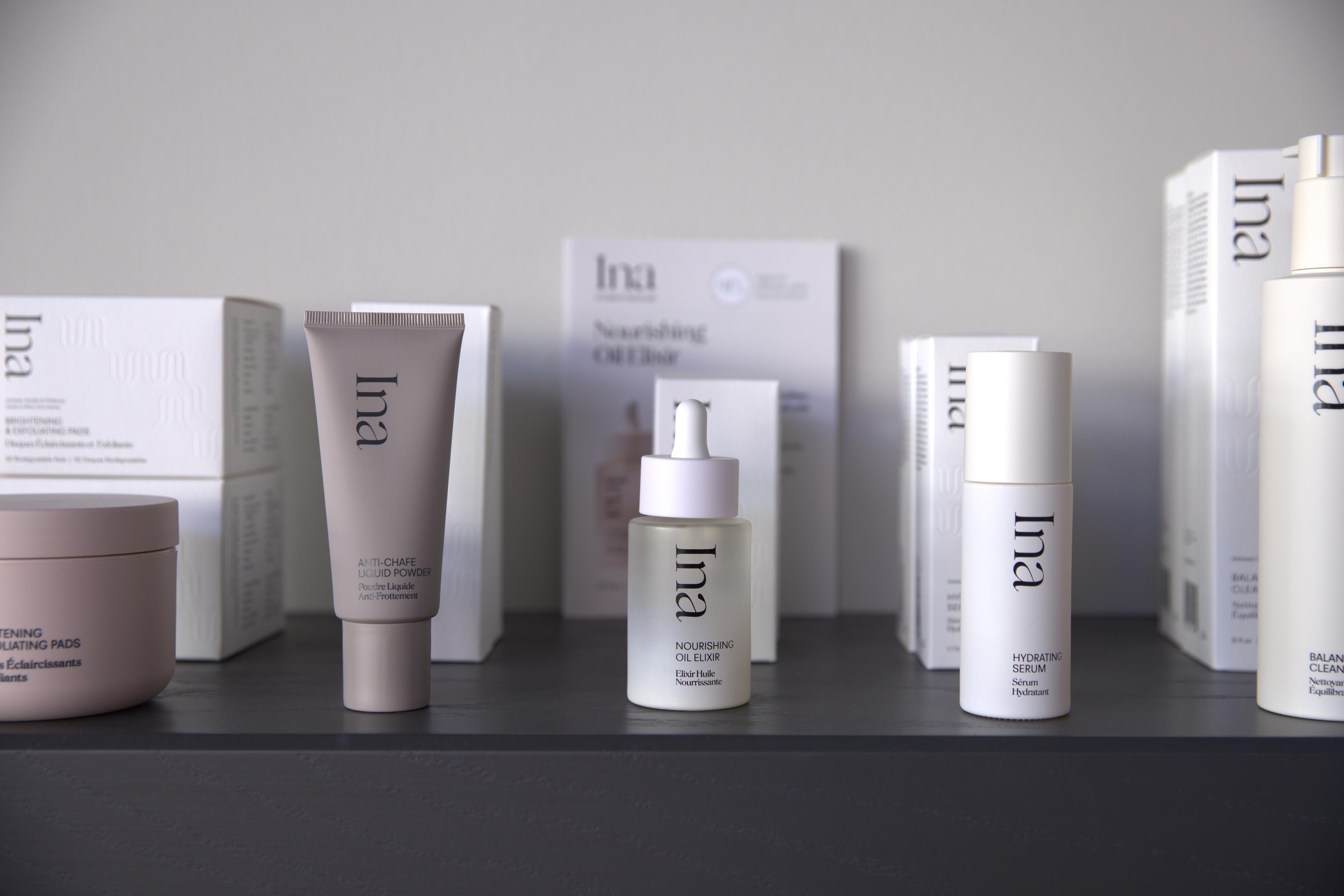
For patients who prefer an external product routine, our providers may recommend INA Hydrating Intimate Serum in the morning and INA Nourishing Oil Elixir at night. Both are intended for external vulvar skin and should be applied according to the label and your provider’s directions. Neither should be inserted into the vagina.
The serum is fragrance-free, while the oil contains rose and vanilla ingredients. Mention any fragrance sensitivities before choosing a product, and stop using anything that causes stinging, burning, or worsening irritation. Do not push through irritation because you assume a product needs time to work.
If external skin care helps but you still feel dry internally, explain that difference at your appointment. Internal dryness calls for its own assessment, not simply more external oil, and it does not automatically mean you need a procedure or treatment.
Keep Everyday Skin Care Gentle
More washing is not necessarily more helpful. The U.S. Office on Women’s Health advises against douching because it can disrupt the vagina’s natural balance. The vagina cleans itself; ordinary body lotions, scented washes, and deodorizing products do not belong inside it.
For the external area, gentle cleansing with warm water and patting dry may be more comfortable than scrubbing with a washcloth. The University of Iowa’s vulvar skin care guidance also recommends reducing rubbing and avoiding tight clothing and irritating products. Cotton underwear and looser clothing can be practical choices when seams or fabric make sensitive skin uncomfortable.
Keep the routine manageable. Before adding another cream or wash, consider what is already touching the area, including fragranced laundry products, wipes, and pads. Bring those product names to your provider, especially if irritation began after a change.
What Should You Do If Intimacy Hurts?
Stop or change the activity. Using lubricant does not create an obligation to continue, and you do not need to finish intercourse to avoid disappointing your partner. You are allowed to want closeness without wanting penetration.
A postpartum appointment is not a deadline for resuming sex. Mayo Clinic’s guidance on sex after pregnancy emphasizes individual recovery, communication, and alternatives to intercourse. Follow your clinician’s healing instructions, but remember that being medically cleared does not mean you must feel ready or comfortable.

A simple conversation can help set expectations: “I want to be close, but penetration is uncomfortable right now. Let’s stay with what feels good.” Kissing, cuddling, or a back rub can be enough. Agreeing that affection does not need to lead to intercourse gives you room to enjoy it without making your recovery something to prove or expedite.
When Is It Time to Ask for More Help?
Seek an assessment when dryness keeps returning, products cause irritation, or pain continues despite lubrication. Do not assume every symptom needs another moisturizer.
Tell your provider what you used, where you applied it, and whether it helped. “The outside feels better, but penetration still burns” is more useful than feeling you have to describe a diagnosis. Mention unusual discharge, bleeding, or pain with urination rather than treating those symptoms as routine dryness.

During postpartum recovery, seek immediate medical care for a fever of 100.4°F or higher, severe abdominal pain that does not go away, or heavy bleeding that soaks through one or more pads in an hour. These are among the CDC’s urgent maternal warning signs, not concerns to leave until a routine consultation.
Talk Through Your Options at The Local Studio
Our providers welcome questions about daily comfort, external products, and vaginal dryness. You can also ask about our Flower Facelift pelvic and vaginal wellness program, including whether any treatment is appropriate for your symptoms and stage of recovery. The conversation should begin with your concerns, not an assumption that you need a particular product or treatment.
If an earlier appointment left you feeling dismissed, you are welcome to bring those unanswered questions to us. Contact The Sonography Studio and let our team know you would like to discuss postpartum dryness and whether you are breastfeeding. You deserve help finding everyday comfort, not pressure to tolerate pain or get back to someone else’s idea of normal.