
Fertility
Can Fertility Blood Tests Tell Me Whether I Can Get Pregnant
Fertility blood tests offer useful information, but they cannot predict pregnancy. Learn their limits, what to ask, and when to seek a fuller evaluation.
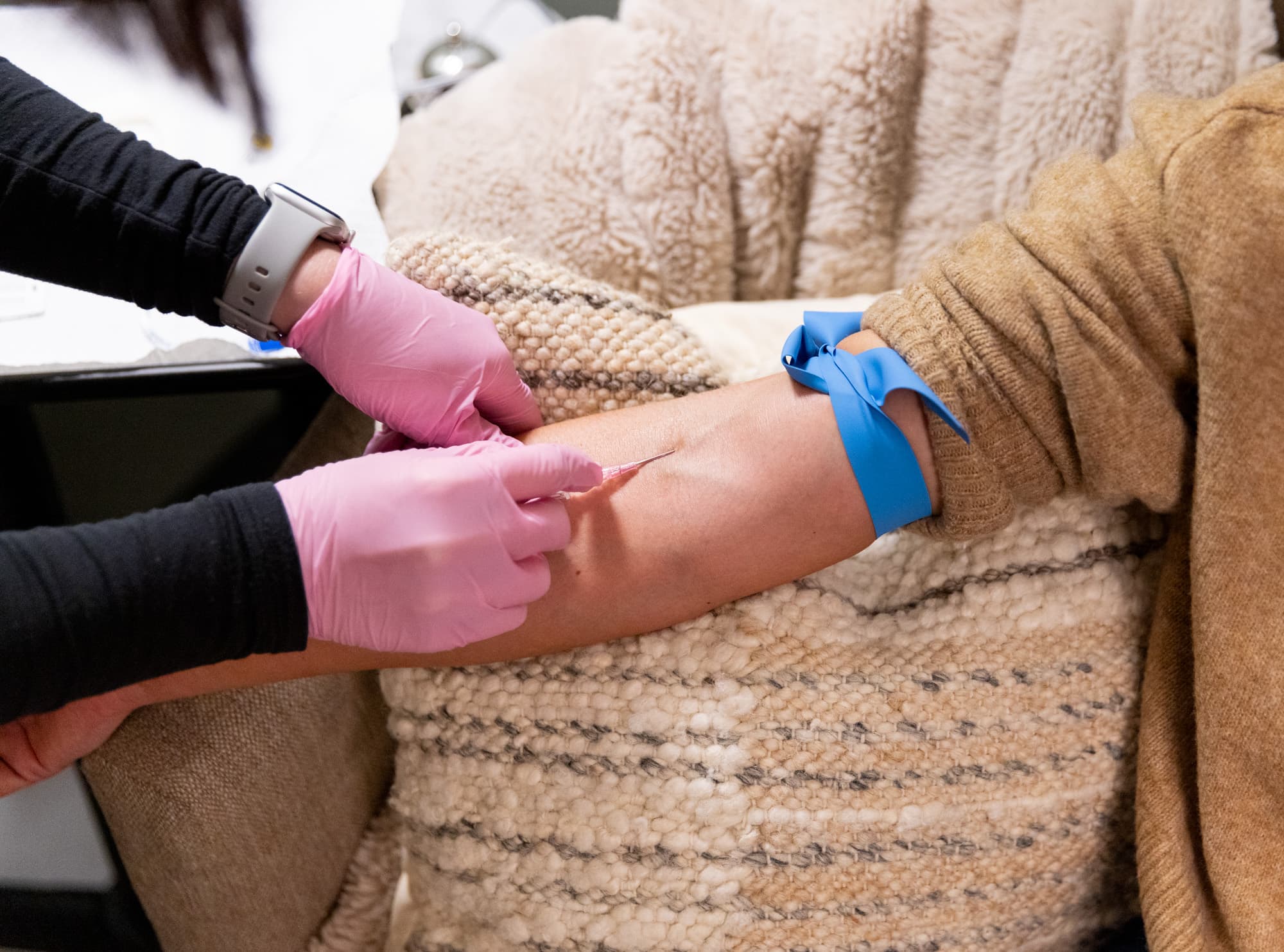
When you are thinking about pregnancy, a blood test can sound like a way to replace uncertainty with a clear answer. Fertility blood tests can provide useful information about selected hormones and health conditions, but they cannot tell you with certainty whether you will get pregnant or how long it will take. Fertility involves more than the measurements on a lab report, and normal results do not rule out every possible problem.
The most useful question is what a particular test will help you and your provider decide. The SONARA Studio’s fertility testing service offers a starting point for discussing bloodwork and reviewing results. Understanding the limits before testing can make that conversation more helpful and prevent a single number from carrying more meaning than it should.
What a hormone result can and cannot explain
Some tests provide information about ovarian reserve, a term related to the remaining egg supply. Anti-Müllerian hormone, usually called AMH, is one example. The American Society for Reproductive Medicine explains in its guidance on ovarian reserve testing that these measurements have important limitations. They can help inform fertility treatment planning, but they are poor predictors of natural conception in women whose fertility has not been established.

A lower result is not the same as being unable to conceive, and a reassuring result is not a promise that pregnancy will happen easily. These tests also do not directly measure egg quality. Ask your provider to explain the result in relation to your age, history, and goals. It is reasonable to ask, “What does this change about what you recommend for me?”
Why a complete fertility evaluation may involve more than bloodwork
Blood tests cannot show whether the fallopian tubes are open, and a male hormone panel is not the same as a semen analysis. The ASRM’s guidance on fertility evaluation describes assessment of ovulation, the female reproductive tract, and the male partner when applicable. The evaluation is guided by the people involved and their histories rather than one universal panel.
This distinction matters when you compare testing packages. Two services can both use the phrase “fertility testing” while including different examinations. Ask what is included, what is separate, and what concerns would require a referral. If you have already had tests elsewhere, bring the results so the reviewing provider can decide whether anything needs repeating or whether a different question needs attention.
What to know about testing at The SONARA Studio
The studio’s Tango for Two service includes bloodwork for both partners and a results review with Jennifer Redmond, CNP, DNP, MSCP. The initial package does not include semen analysis. Its fertility service page explains that additional testing, imaging, treatment, and referrals are separate if recommended. Reading those details before booking helps you understand the service you are purchasing.
Cycle timing is another practical detail to confirm. The studio schedules the female partner’s draw for cycle day 3, 4, or 5, counting day 1 as the first day of full menstrual flow. Its Patient Hub includes a cycle-day planning tool. Contact the team if your periods are irregular or absent, if you are using hormone medication, or if the proposed date does not work. Follow the ordering clinician’s instructions rather than choosing a draw date yourself.
Decide what you want the testing to help you do
Someone preparing to try for a first pregnancy may have different questions from a couple who have been trying for a year. Before ordering tests, explain where you are in that process and what decision you hope the results will support. Are you looking for pregnancy planning advice, trying to understand an irregular cycle, or asking whether it is time to see a fertility specialist? Naming that question makes it easier to discuss whether a particular service fits.
If both partners are participating, make room for each person's questions. One may want to understand the testing process while the other is more concerned about what happens after the results arrive. Neither person needs to know the medical terminology before the visit. An initial conversation can establish what is included and where more information may still be needed.
Plan for the conversation after the blood draw
Ask how and when you will receive your results, and whether the review includes time to discuss them with a clinician. Seeing numbers in a portal before you understand their meaning can leave you with more questions than you started with. You can ask the reviewing provider to explain which results affect the plan, which need further context, and whether anything should be followed up elsewhere.
Keep a copy of the report and the recommendations. If you later see another provider, bring both, along with the dates the samples were collected. This gives the next appointment a clearer starting point than recalling that a result was described as “normal” or “low.” Ask who will send records if a referral is made and whether you need to arrange that appointment yourself.
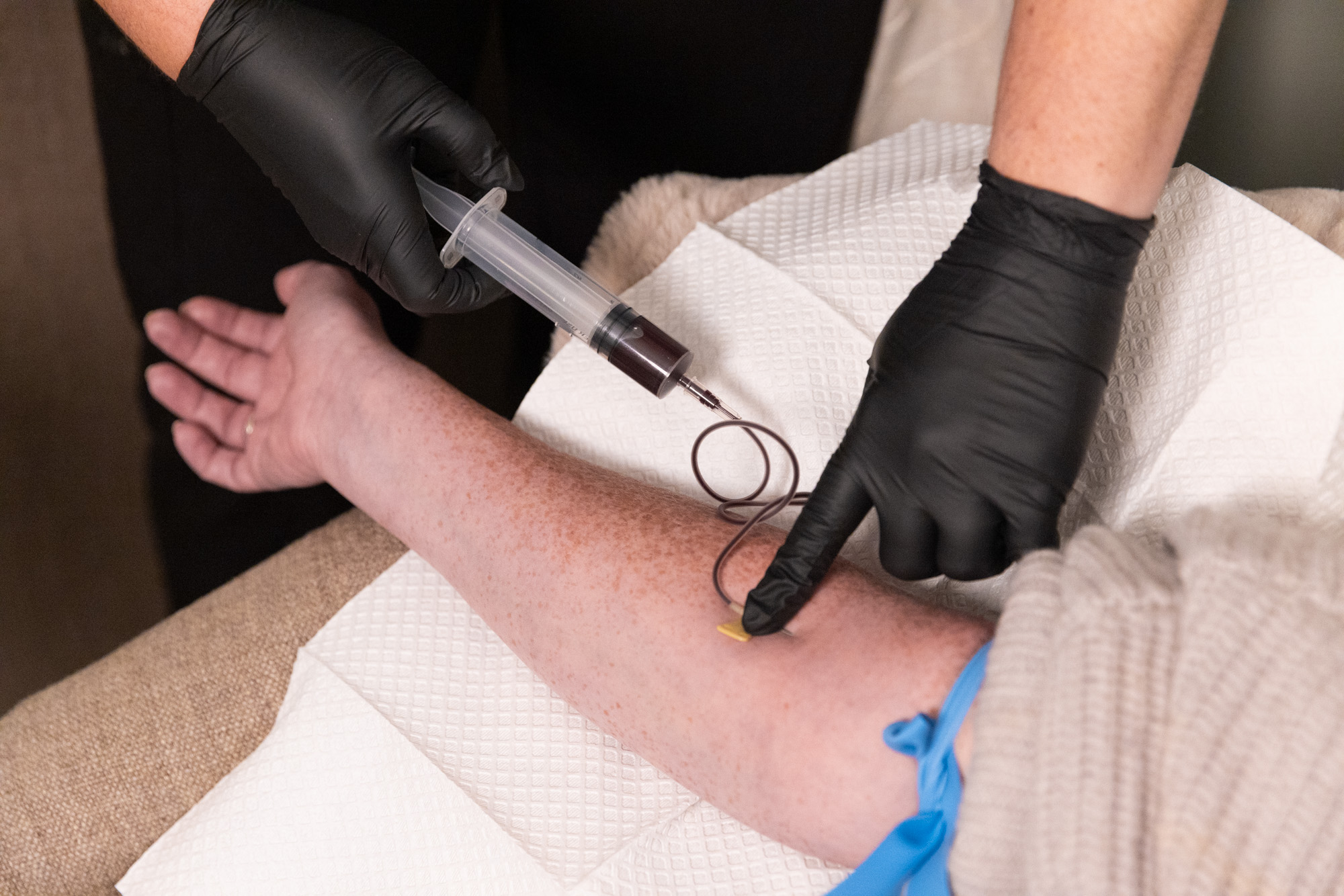
Before purchasing a package, clarify the cost of the initial service and how additional recommendations would be handled. You should know whether a proposed next step is included, billed separately, or provided by another practice. These practical questions do not make the visit less personal. They help you understand what you are agreeing to and leave with a plan you can actually follow.
When to ask about a fuller evaluation
ASRM generally recommends an infertility evaluation after 12 months of trying when the woman is younger than 35, or after six months at age 35 or older. More immediate evaluation may be appropriate after age 40. Irregular or absent periods, a known condition that can affect fertility, or a suspected male factor can justify starting sooner. These timelines refer to an infertility evaluation; they do not prevent you from discussing pregnancy planning before you begin trying.
Tell your provider how long you have been trying and what you hope to learn. If you already meet the criteria for evaluation, a preliminary lab package should not delay specialist care. Ask who will coordinate the next step and when you should follow up if pregnancy has not occurred.
The SONARA Studio’s motherhood services include support before pregnancy as well as during it. A useful first conversation can be as simple as, “We are planning for pregnancy, and we want to understand which tests would actually help us.” The goal is to leave with a plan you understand, including what the results can answer and what still needs to be explored.